Retiring old servers is more complicated than getting rid of ordinary office electronics.
Servers can contain sensitive company data, customer records, proprietary information, storage drives, valuable components, and other equipment that requires careful handling.
LoneStar e-Waste helps Houston businesses find responsible solutions for server recycling, server disposal, and enterprise IT equipment retirement.
Whether your organization is replacing a few servers, completing an infrastructure refresh, moving to the cloud, or decommissioning a larger IT environment, tell us what you need to retire and we’ll help determine an appropriate recycling solution.
Request a Free Server Recycling Quote
Business Server Recycling in Houston
Businesses replace servers for many reasons.
You may be moving workloads to the cloud, upgrading aging infrastructure, consolidating equipment, closing an office, or replacing systems that have reached the end of their useful life.
Once those servers are removed from production, they still need to be handled properly.
LoneStar e-Waste helps Houston organizations find solutions for retiring servers and related IT equipment while considering data security, logistics, reuse opportunities, and responsible electronics recycling.
Organizations replacing a broader range of technology can also explore our Business Electronics Recycling Services in Houston.
What Types of Servers and IT Equipment Can Be Recycled?
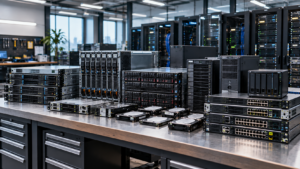
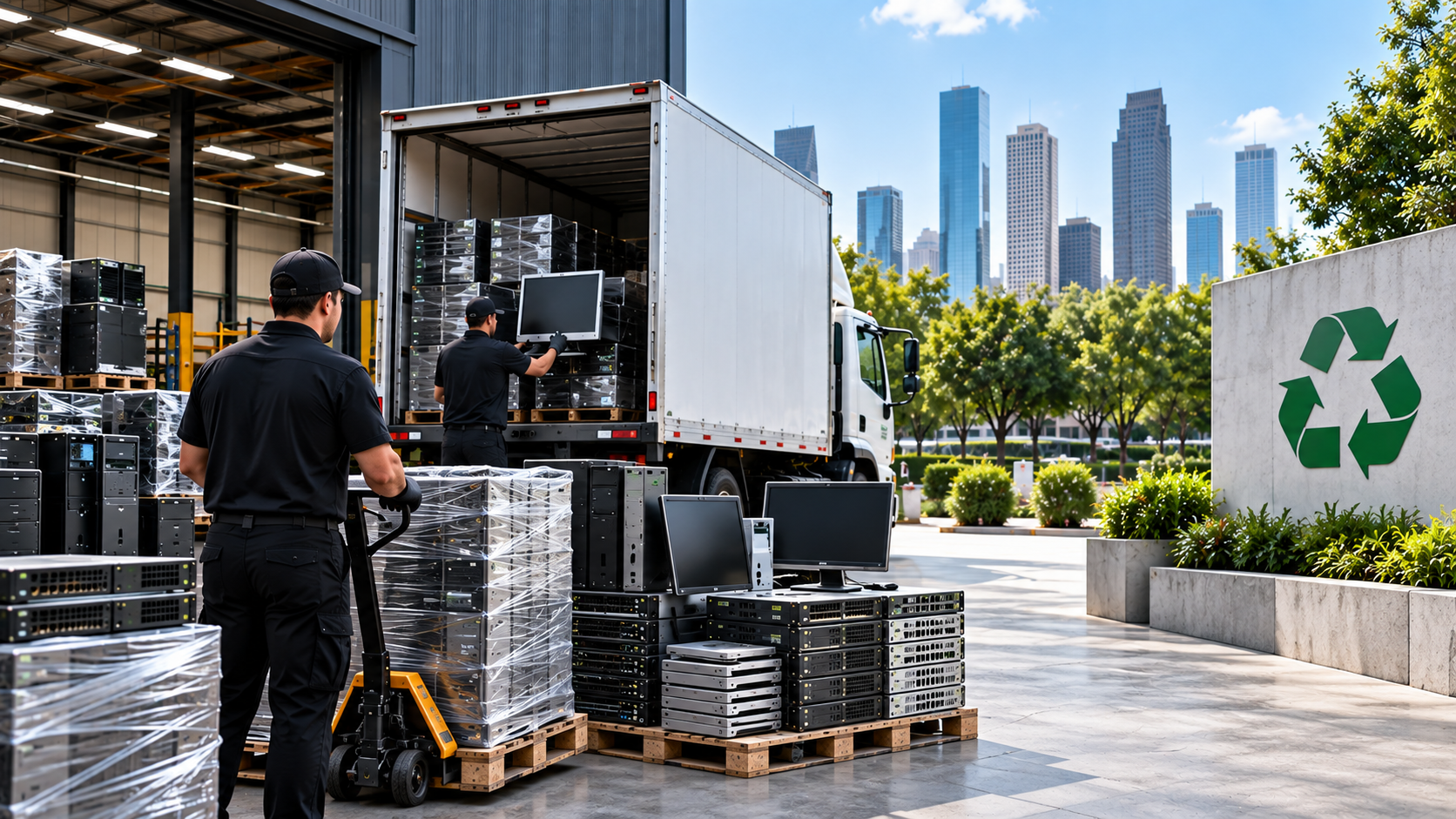
Server recycling projects can involve much more than individual servers.
Equipment may include:
– Rack servers
– Tower servers
– Blade servers
– Server chassis
– Storage arrays
– NAS devices
– SAN equipment
– Server hard drives
– Solid-state drives
– Network switches
– Routers
– Firewalls
– UPS systems
– Server racks
– Enterprise networking equipment
– Other retired IT infrastructure
If your project also includes desktops, laptops, workstations, monitors, or other computers, learn more about our Computer Recycling Services in Houston.
Have equipment that isn’t listed? Include it when requesting your quote so the complete project can be evaluated.
Server Recycling Starts With Data Security
One of the most important parts of server recycling is protecting the information stored on the equipment.
A server being switched off does not mean its information has disappeared.
Retired servers may contain:
– Customer information
– Employee records
– Financial records
– Business databases
– Login credentials
– Proprietary company information
– Backups
– Application data
– Confidential documents
Before servers leave your organization, identify every device containing data and determine how that information should be handled.
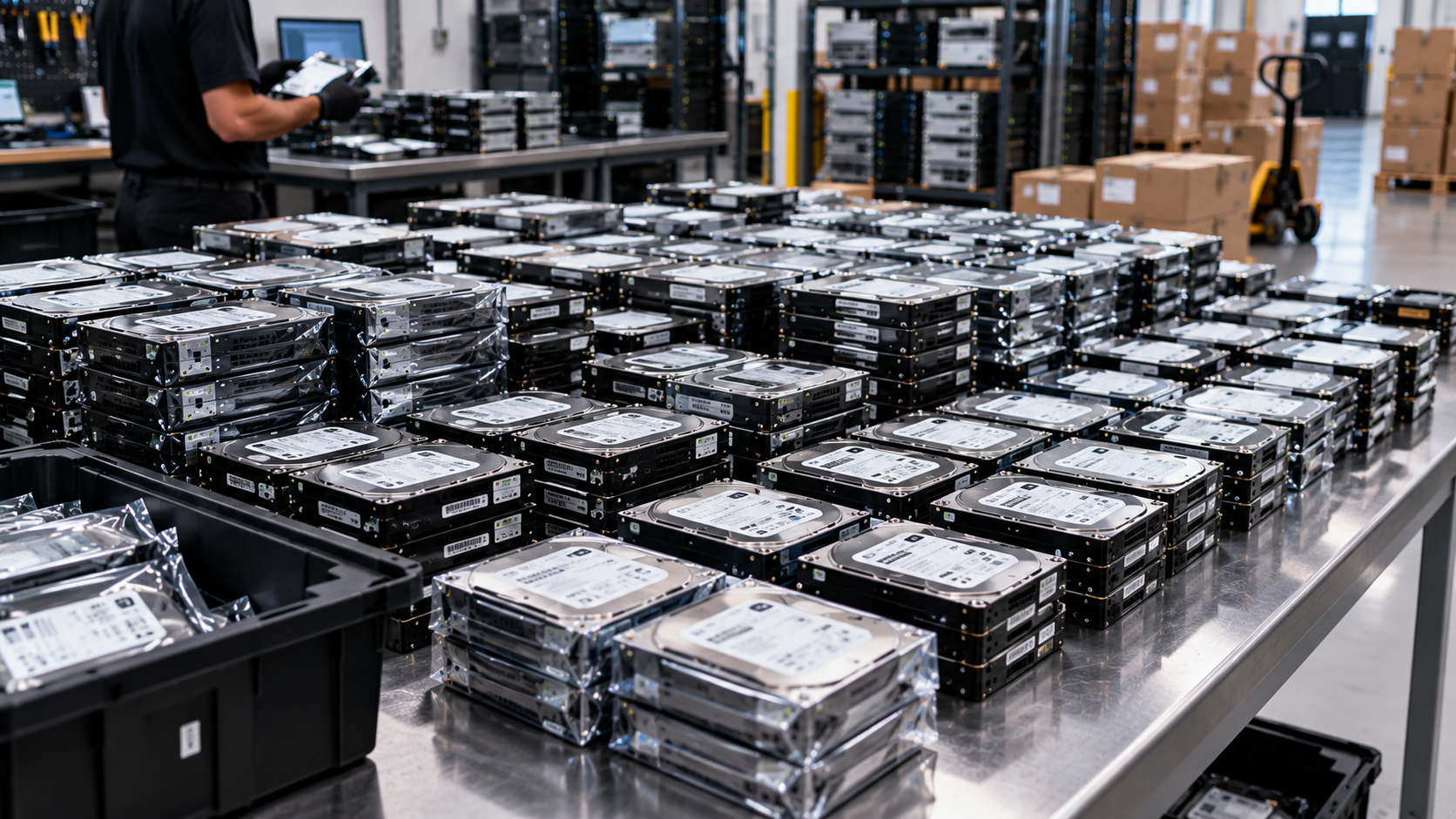
If your servers contain hard drives, SSDs, or other storage media, secure data destruction may need to be part of your server retirement process.
Learn more about our Hard Drive Destruction Services in Houston.
When requesting a quote, let us know about any specific data-security, destruction, or documentation requirements associated with your project.
Server Recycling vs. IT Asset Disposition
Server recycling and IT asset disposition are closely related, but they are not always the same thing.
Server recycling generally focuses on responsibly processing hardware that has reached the end of its useful life.
IT asset disposition, or ITAD, can involve a broader process that includes:
If your organization is retiring servers along with computers, networking equipment, storage devices, and other business technology, a broader ITAD solution may be more appropriate.
Learn more about our IT Asset Disposition Services in Houston.
Common Reasons Businesses Retire Servers
Server Upgrades
Older servers eventually become inefficient, expensive to maintain, or unable to support modern workloads.
Businesses upgrading their infrastructure need a secure and responsible plan for the equipment being removed from production.
Cloud Migration
Moving applications, databases, and storage to cloud infrastructure can leave organizations with servers and storage systems they no longer need.
These systems may still contain sensitive company data even after cloud migration is complete.
Data Center Consolidation
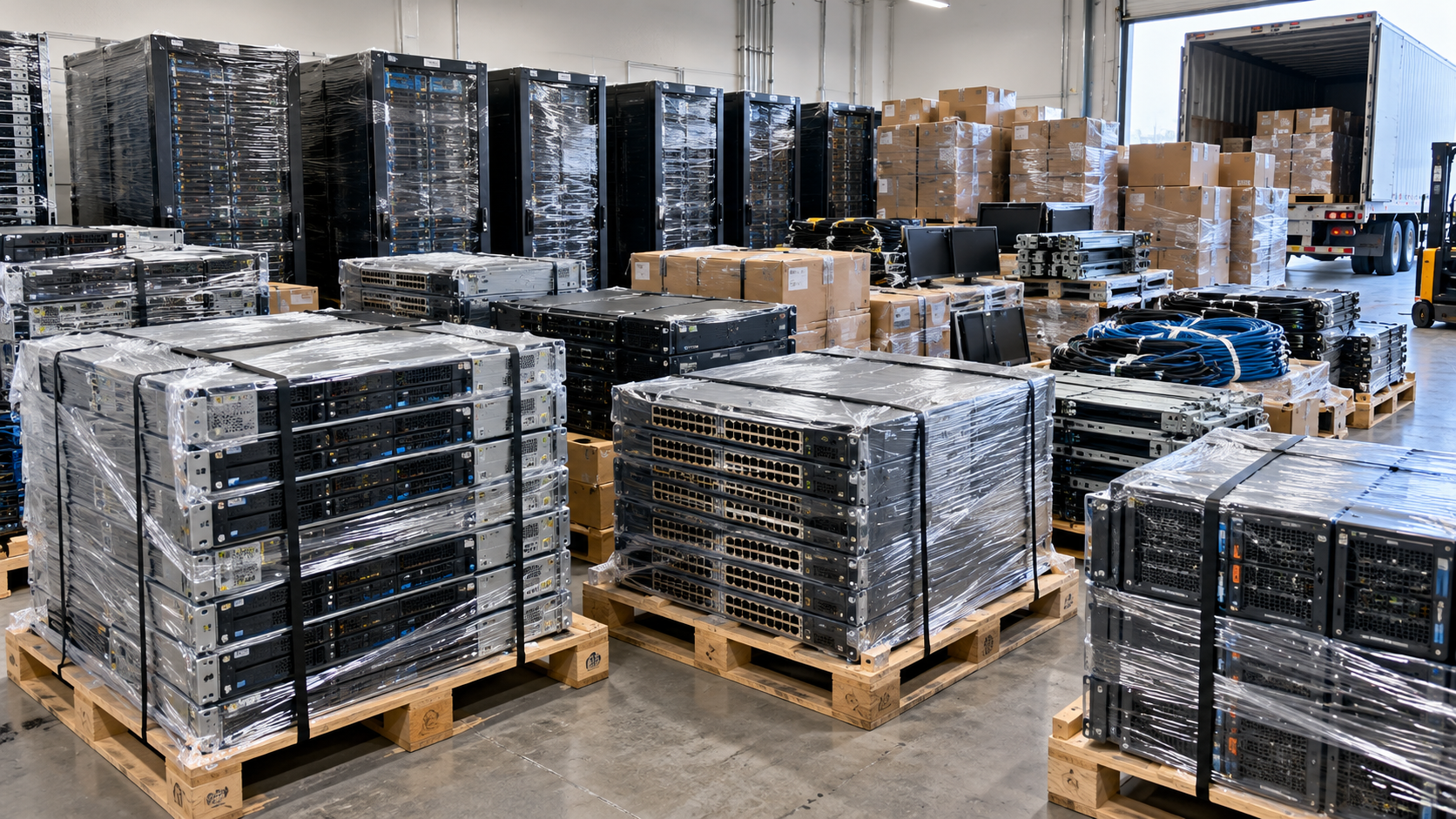
Companies consolidating infrastructure may need to retire large quantities of servers, storage arrays, networking equipment, racks, and other hardware.
Moving to another facility is often a good opportunity to identify obsolete servers and IT equipment rather than paying to transport hardware that is no longer useful.
Business Closures
Organizations closing an office, branch, or facility may need to remove servers, computers, networking equipment, and other electronics within a specific timeframe.
IT Hardware Refreshes
Scheduled infrastructure refreshes can create recurring quantities of retired servers, storage devices, networking equipment, and other electronics.
Having a server recycling process in place can make these upgrades easier to manage.
A Practical Server Decommissioning and Recycling Process
Server recycling should begin before equipment is physically removed from your facility.
1. Identify the Equipment
Create an inventory of the servers and associated IT equipment being retired.
Include information such as:
– Number of servers
– Server type
– Storage devices
– Networking equipment
– Racks
– UPS equipment
– Other related infrastructure
2. Identify Data-Bearing Devices
Determine which servers, hard drives, SSDs, storage arrays, and other devices contain sensitive information.
This step is critical for protecting business and customer data.
3. Determine Your Data Destruction Requirements
Decide how the information stored on retired equipment should be handled.
Depending on your organization’s security requirements, storage devices may need data sanitization, physical destruction, or another appropriate data-destruction process.
4. Separate Reusable and End-of-Life Equipment
Some enterprise IT equipment may still have useful life remaining, while other hardware may need to be recycled.
Equipment age, condition, specifications, and project requirements can help determine the appropriate next step.
Providing this information in advance can make the recycling process easier to coordinate.
6. Identify Documentation Requirements
Some organizations require documentation related to recycling, equipment disposition, or data destruction.
If documentation is important to your organization, communicate those requirements before the project begins.
Server Recycling for Houston Businesses and Organizations
LoneStar e-Waste can help organizations looking for responsible server and IT equipment recycling solutions in Houston.
Projects may come from:
– Corporate IT departments
– Small businesses
– Medium-sized businesses
– Large enterprises
– Data centers
– Managed service providers
– Technology companies
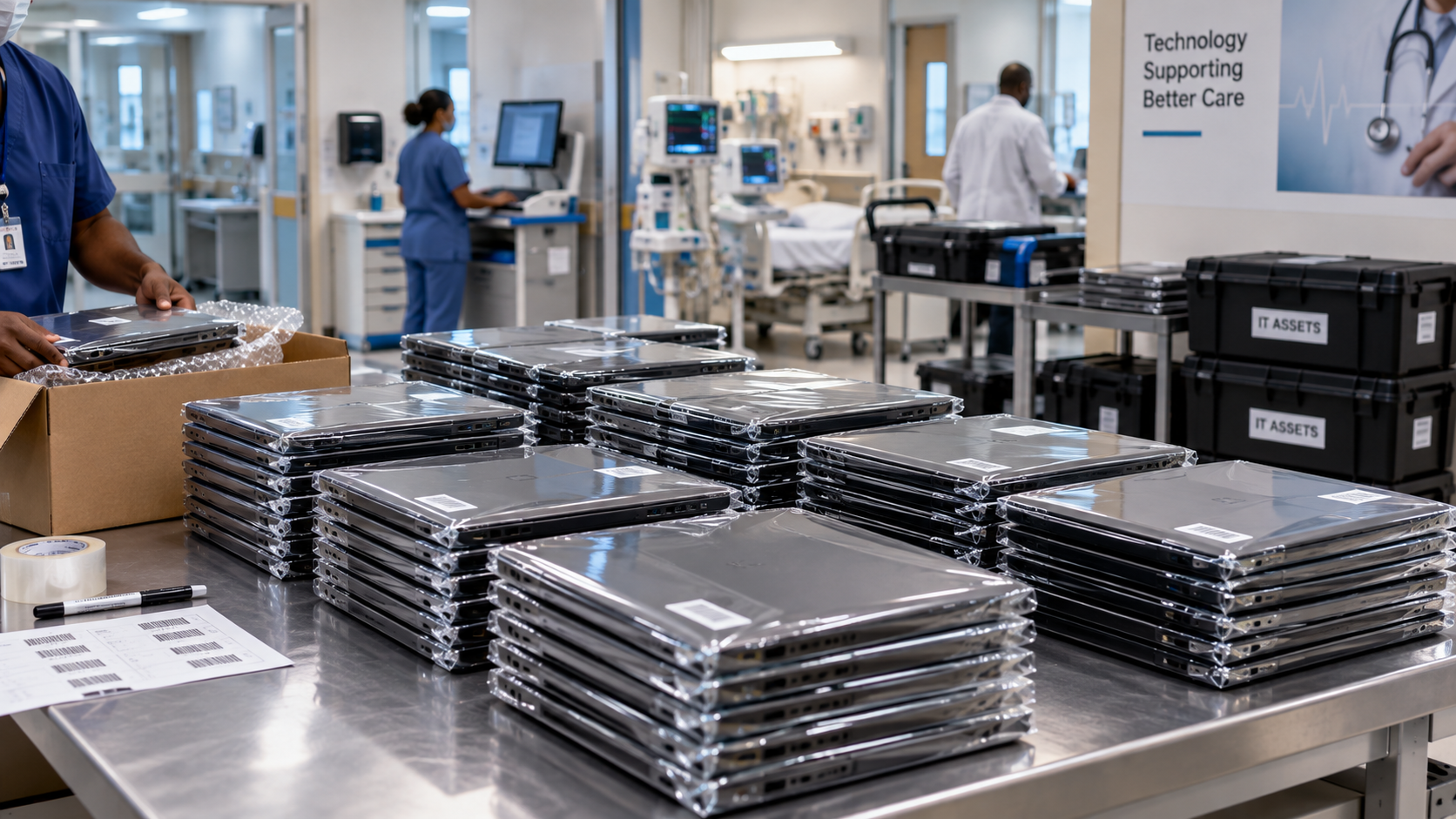
– Healthcare organizations
– Financial organizations
– Law firms
– Schools
– Universities
– Oil and gas companies
– Engineering companies
– Property management companies
– Nonprofit organizations
– Organizations upgrading IT infrastructure
Managed service providers that regularly replace technology for their clients can also learn more about our Electronics Recycling Services for MSPs in Houston.
– Storage equipment
– Network switches
– Routers
– Firewalls
– UPS systems
– Server racks
– Cables
– Hard drives
– SSDs
– Workstations
– Desktop computers
– Other enterprise electronics
Instead of treating every equipment category as a separate project, businesses can identify everything being retired and request a solution based on the complete inventory.
This makes it easier to coordinate equipment removal while ensuring that data-bearing devices are identified before assets leave the facility.
Organizations with mixed technology assets should also consider our Business Electronics Recycling Services in Houston.
What Information Should You Provide for a Server Recycling Quote?
Providing accurate information helps determine the most appropriate solution for your project.
When requesting a server recycling quote, provide as much of the following information as possible:
– Business location
– Approximate number of servers
– Type of servers
– Other IT equipment included
– Number of hard drives or SSDs
– Data destruction requirements
– Pickup requirements
– Building access information
– Equipment location within the building
– Documentation requirements
– Preferred project date
Photos of the equipment can also be useful, especially for larger server rooms or data center projects.
Why Proper Server Disposal Matters
Old servers should not simply be placed in a dumpster or forgotten in a storage room.
Servers contain electronic components, metals, circuit boards, batteries, storage devices, and other materials that may require specialized handling.
More importantly, servers often contain large amounts of sensitive business information.
A responsible server retirement strategy should consider both **data security and responsible electronics recycling**.
Taking these issues into account can help businesses reduce unnecessary risk while keeping obsolete electronics out of inappropriate waste streams.
Server Recycling for Data Centers
Data centers and businesses operating larger server environments may need to retire dozens or even hundreds of pieces of IT equipment during:
– Infrastructure upgrades
– Facility closures
– Cloud migrations
– Data center consolidations
– Hardware refresh cycles
– Technology migrations
These projects may involve servers, storage systems, racks, networking equipment, UPS systems, cables, hard drives, and other enterprise technology.
Server Hard Drive Destruction
Hard drives removed from servers can continue storing sensitive information long after the server itself has been taken offline.
Simply deleting files or formatting a drive may not always meet an organization’s data-security requirements.
Businesses should establish an appropriate data-destruction policy before releasing storage devices.
Frequently Asked Questions About Server Recycling in Houston
Where Can Businesses Recycle Old Servers in Houston?
Businesses with retired servers can work with a commercial electronics recycling or IT asset disposition provider capable of handling enterprise IT equipment.
LoneStar e-Waste helps Houston organizations find appropriate solutions based on equipment type, quantity, location, data requirements, and project needs.
Can Old Server Hard Drives Be Destroyed?
Yes. Server hard drives and other storage devices may require secure data destruction depending on your organization’s security requirements.
For dedicated storage-media projects, visit our Hard Drive Destruction Houston page.
Can Server Racks and Networking Equipment Be Recycled?
Server recycling projects can include related infrastructure such as server racks, network switches, routers, firewalls, UPS systems, storage equipment, cables, and other enterprise IT hardware.
Include all equipment in your quote request so the entire project can be evaluated together.
What Is the Difference Between Server Recycling and Data Center Recycling?
Server recycling can involve a single server or a larger group of retired servers.
Data center recycling typically involves broader infrastructure and may include servers, storage systems, network equipment, racks, UPS systems, cables, and other data center hardware.
Organizations planning larger facility projects should review our Data Center Equipment Recycling Services.
Do Businesses Need to Erase Server Data Before Recycling?
Businesses should identify sensitive information before releasing servers or storage devices and establish appropriate data-handling requirements.
Simply deleting files may not satisfy every organization’s data-security policies.
Can Multiple Types of Business Electronics Be Collected With Servers?
Potentially. If your organization is also retiring computers, monitors, networking devices, storage systems, or other electronics, include those items when requesting a quote.
For broader projects, visit our Business Electronics Recycling Houston service page.
Do You Handle Server Recycling for MSPs?
Managed service providers may regularly accumulate servers, computers, networking equipment, and other electronics from customer upgrades.
Visit our Electronics Recycling for MSPs in Houston page for more information.
Is Server Pickup Available in Houston?
Pickup availability can depend on the quantity and type of equipment, project location, building access, and other requirements.
Provide your location, approximate equipment quantity, and preferred project date when requesting a quote so available options can be evaluated.
What Should I Do With an Old Business Server?
Before disposing of an old server:
1. Identify all sensitive data stored on the equipment.
2. Determine your organization’s data-destruction requirements.
3. Inventory the server and its storage devices.
4. Decide whether any equipment can be reused.
5. Arrange appropriate electronics recycling or IT asset disposition.
6. Request any documentation your organization requires.
Need Server Recycling in Houston?
Don’t allow retired servers to remain forgotten in a storage room while sensitive data and unused equipment continue to accumulate.
LoneStar e-Waste helps Houston businesses find solutions for retiring servers, storage systems, networking equipment, and other enterprise IT assets.
Tell us:
– What equipment you have
– Approximate quantity
– Your Houston-area location
– Whether the equipment contains hard drives or SSDs
– Your data-security requirements
– Your preferred pickup date
We’ll help determine an appropriate solution for your project.